
Laments
It sounds odd, but laments are my favorite psalms to write.
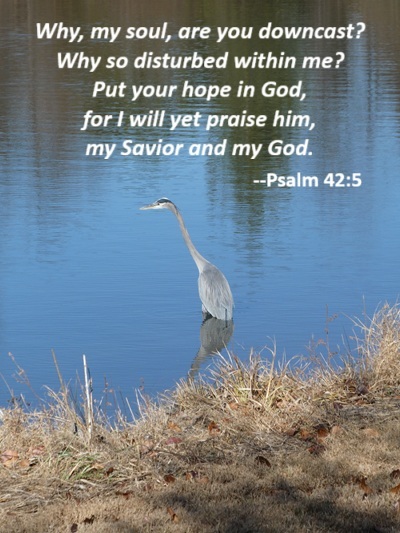
In the Laments of the Bible, the psalmists bring their complaints before God. But embedded in the form of the Lament, they also remind themselves that they do trust God, ask God for help, then talk about how they will rejoice and thank God when God comes through for them.
The biggest category, these are the Laments in Psalms: Psalms 3, 4, 5, 10, 12, 13, 17, 22, 28, 35, 42, 43, 54, 55, 56, 59, 60, 61, 64, 70, 74, 79, 80, 83, 85, 86, 88, 102, 109, 137, 140, 142, and 143.
The Laments roughly follow a consistent form. Some Psalms leave out some parts, but all of these do have a Complaint section. I've made an acronym to help remember the parts, ACCESS.
I'm planning a follow-up book after I find a publisher for Praying with the Psalmists. The next book will be called Laments for Lent, and I wrote weekly blog posts during Lent in 2025 and 2026, so I do have a Sonderjourneys blog post for each part of a Lament. They will be linked below.
This appears in many types of Psalms, simply asking God to hear our prayer, or sometimes even starting with angry questions. But the point is, we'e bringing our troubles to God.
Not every Lament has every one of these parts - but every Lament has a Complaint. Some of these drag on! The psalmists pour out their troubles to the Lord and tell God everything that's going wrong.
After a good long complaint, it's time to take a moment to remember that we do trust God. Think about the ways God has helped in the past and remember that we do trust God to help this situation.
Here's where we ask God to help. This can be less specific than the Complaint. We laid out the situation, now ask God to do something about it. And let God figure out what.
This is a pep talk after the prayer, reminding the person praying that yes, we believe God will hear and act.
This is my favorite part: Imagining how we will thank God after God comes through. Thinking about future praise.
Now you try! Read some Laments in the Bible. Notice how they follow or don't follow the pattern. This is a good one to try, because you can follow the steps of the form. Using parallelism makes it feel like a psalm and can deepen your prayer.
I have more examples of laments on my Sonderjourneys blog than any other type of psalm. It was trying to write my own laments that gave me the idea to write a book and encourage others to try it. I'd love to see your own examples in comments on the blog!